CHChengnuo Machinery
Insights / What closed-loop tension control changes

Technical insight

What closed-loop tension control changes

Closed-loop tension control matters because finished roll quality depends on how the web is managed across the whole slitting and rewinding path.

Reader goal

Understand why tension stability changes output

Core topic

Unwind, slitting and rewind coordination

Action

Know what to ask during review

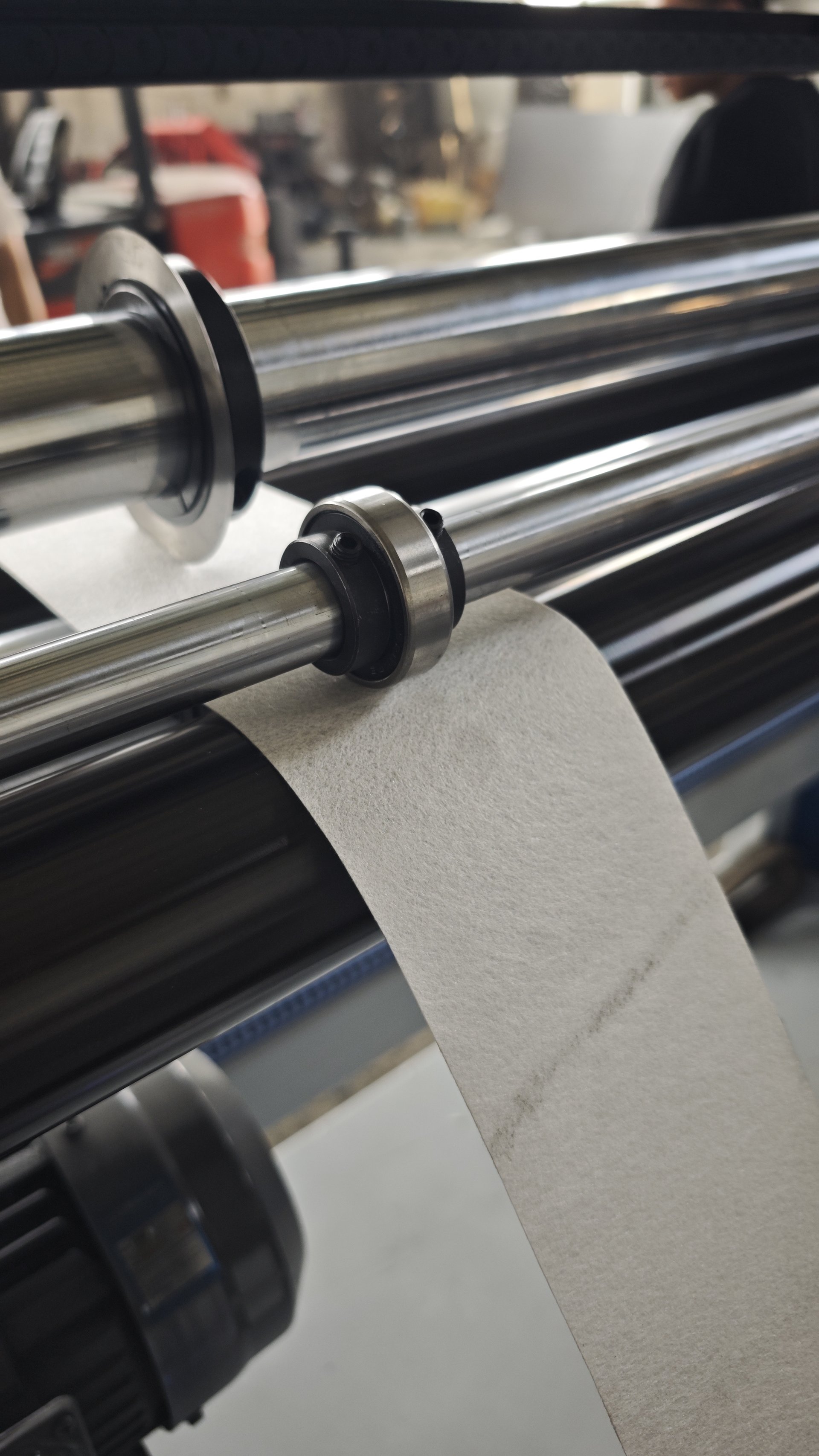
Tension control roller module

Why it matters

Tension is tied to more than one defect.

Unstable tension can affect slit edge quality, web tracking, wrinkle behaviour and finished roll hardness.

That is why buyers should review tension control as part of the full material path instead of treating it as a single feature checkbox.

What to review

Look at the control loop in context.

How the unwind responds as roll diameter changes.
How the slitting section interacts with tension stability.
How rewind control supports consistent roll build.
What material behaviour becomes visible during start-up, acceleration and deceleration.

Project use

Use the topic to sharpen supplier questions.

A strong article should help the reader ask better questions about sensing, drive coordination and what kind of finished roll consistency is actually required.

Reader checklist

What to prepare before the next inquiry.

Identify whether the defect appears during unwind, slitting or rewind.
Connect the tension topic to roll quality and alignment.
Clarify the acceptable finished roll behaviour.
Review the line by operating condition, not only by nominal speed.